
Understanding Arrest Warrants and How to Navigate the Process
If you or a loved one is facing an arrest warrant, it can be a daunting and stressful experience. Knowing your rights and the steps to take can significantly impact the situation. This guide provides essential information and resources to help with arrest warrant issues, ensuring you are prepared.
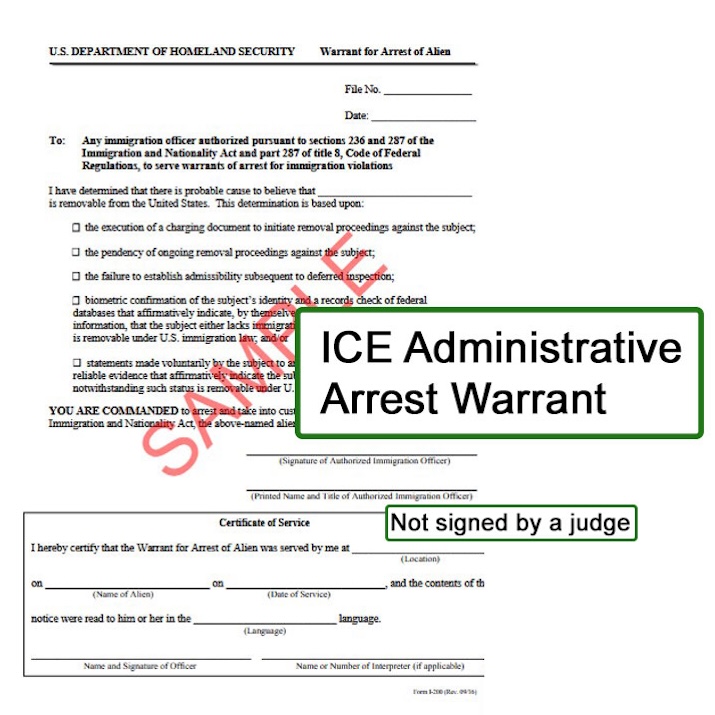
What is an Arrest Warrant?
An arrest warrant is a legal document issued by a judge or magistrate that authorizes law enforcement to arrest an individual. Arrest warrants are typically issued when there is probable cause to believe that an individual has committed a crime. This process is fundamental to upholding the rights of citizens, ensuring that individuals are not arrested without sufficient evidence.
Types of Arrest Warrants
There are several types of arrest warrants, each serving a specific purpose:
- Bench Warrant: Issued when an individual fails to appear in court as required.
- Search Warrant: Authorizes police to search a specific location for evidence related to a crime.
- Extradition Warrant: Issued when a person is wanted in one jurisdiction but located in another, allowing for their transfer.
Common Reasons for Issuance of Arrest Warrants
Arrest warrants can be issued for various reasons, including but not limited to:
- Felony or misdemeanor charges
- Failure to appear in court
- Probation violations
- Outstanding fines or fees
Steps to Take if You Find Out About an Arrest Warrant
Discovering that you have an arrest warrant can be alarming. However, knowing how to respond can make a significant difference:
1. Stay Calm
It’s crucial to remain calm and composed. Frantic behavior can lead to poor decision-making.
2. Verify the Warrant
Contact the local law enforcement agency or court to verify if a warrant exists in your name. Ensure you get accurate information regarding the details of the warrant.
3. Consult an Attorney
Engaging a legal professional is essential. An attorney specialized in criminal law can provide guidance and representation, helping you understand your options and rights.
4. Do Not Attempt to Resolve the Issue Alone
Handling an arrest warrant without legal assistance can lead to complications. It’s crucial to have an experienced attorney who can navigate the legal system on your behalf.
Possible Outcomes After Addressing an Arrest Warrant
Once you’ve taken the necessary steps, several outcomes may arise:
- Dismissal of the Warrant: If there was no basis for the warrant, your attorney may be able to have it dismissed.
- Negotiated Surrender: Your attorney can negotiate a voluntary surrender and may arrange for bail proceedings.
- Court Appearance: You may need to appear in court to address the charges against you.
Dealing with Cross-Border Arrest Warrants
If you are facing cross-border arrest warrant issues, the situation becomes even more complex. Jurisdictional laws vary from country to country. In these cases, it’s vital to have an attorney experienced in international law. They can help navigate the intricacies involved, including extradition processes and international treaties.
Rights You Have When Dealing with an Arrest Warrant
Understanding your rights is vital when dealing with arrest warrants. Below are some rights you should be aware of:
- You have the right to remain silent during any police interrogation.
- You are entitled to legal representation.
- You are not obligated to consent to searches without a warrant.
Preventive Measures
While it is often difficult to avoid legal troubles, there are preventive measures you can take:

- Stay informed about the legal system and your rights.
- Attend all court dates and comply with court orders.
- Seek legal advice promptly if you face any charges.
Conclusion
Dealing with an arrest warrant can be intimidating, but knowing your rights and the proper steps to take can help you navigate this challenging situation. Whether it involves securing legal representation or understanding the complexities of cross-border issues, being proactive and informed is key. Remember that you don’t have to face this alone—seek the help you need and ensure your rights are protected.